
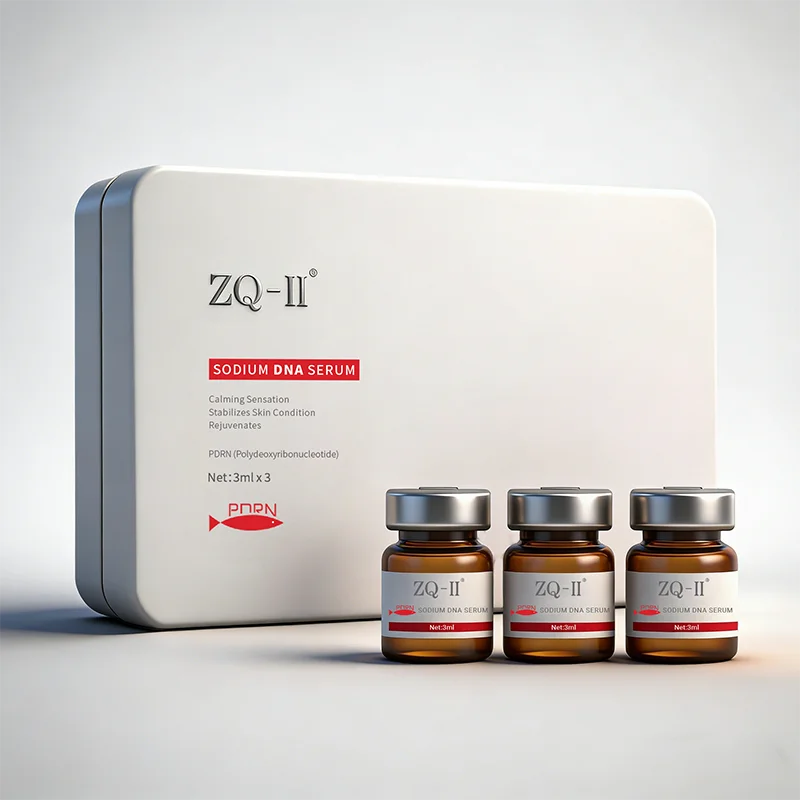
Sodium DNA Serum has attracted attention in modern skincare because of its connection with DNA-derived cosmetic ingredients and skin-conditioning formulations. However, understanding what this ingredient can realistically contribute is essential before choosing a product. This guide explains what Sodium DNA is, how it is used in skincare, what consumers should know about hydration and skin appearance, and how to build a sensible routine around a serum. It also discusses ingredient transparency, formulation quality, application methods, and frequently asked questions to help buyers make informed decisions.
1. What Is Sodium DNA in Skincare?
Sodium DNA is a cosmetic ingredient name used for a sodium salt form of deoxyribonucleic acid. DNA is a naturally occurring biological molecule that carries genetic information in living organisms. In cosmetic formulations, however, the presence of a DNA-derived ingredient should be understood in the context of its intended topical function rather than as a claim that a serum can alter or rebuild a person's genetic material.
The term is often discussed alongside PDRN, or polydeoxyribonucleotide, in beauty and skincare conversations. These terms are related to DNA-derived materials, but they should not automatically be treated as identical specifications. The INCI name Sodium DNA alone does not disclose the raw material's source, molecular-size distribution, concentration, purification process, or delivery characteristics. Those details depend on the supplier and the finished formulation.
For consumers, this distinction is important. Two products may use similar front-label language while differing considerably in ingredient sourcing, supporting ingredients, texture, stability, and quality controls. A responsible product description should explain what is actually included instead of relying only on a popular ingredient name.
2. Why Has Sodium DNA Serum Gained Attention?
Skincare consumers increasingly look beyond basic moisturization. They want products that fit into routines focused on a smoother-looking complexion, improved comfort, and a healthy-looking skin surface. This has encouraged interest in biotechnology-inspired ingredients, including peptides, fermented materials, nucleic-acid derivatives, and other specialized cosmetic components.
Sodium DNA Serum fits into this wider interest because its ingredient story connects cosmetic formulation with biological materials. The name can sound highly technical, but the practical question for a consumer is straightforward: how does the complete serum perform on the skin, and is the product supported by clear formulation information?
Interest in PDRN in aesthetic medicine has also contributed to consumer awareness. Nevertheless, evidence from injections, medical preparations, laboratory studies, or wound-care research cannot simply be transferred to an ordinary cosmetic serum. The route of application, formulation, dose, product quality, and intended use are different. A topical serum should therefore be assessed as a topical cosmetic product.
3. How Does a Sodium DNA Formula Work?
A serum is a leave-on skincare formulation designed to spread easily and deliver a combination of cosmetic ingredients to the skin surface. Sodium DNA is one possible component within that system. Its contribution depends on the characteristics of the raw material and how it is combined with the other ingredients.
Understanding the skin barrier
The outermost layer of the skin, the stratum corneum, helps limit water loss and protects the body from external substances. It is also a significant barrier to the penetration of many large or water-loving molecules. DNA-derived polymers are relatively large and hydrophilic, so their movement through intact skin cannot be assumed simply because they appear in a serum.
Formulation technologies may be developed to improve ingredient stability, spreadability, or delivery. However, claims about deeper skin penetration should be supported by testing on the actual finished formula. A laboratory result for a raw material or a different delivery system does not automatically demonstrate the same result in every commercial product.
The role of the full formula
In everyday use, the visible and sensory experience of a serum is influenced by its entire ingredient blend. Humectants can attract water to the outer skin layers, emollients can improve softness, and film-forming ingredients can help create a smoother surface feel. These components may work alongside Sodium DNA in a balanced formulation.
4. What Skin Concerns Can It Address?
A well-designed Sodium DNA Serum may be positioned as part of a routine for skin that looks dull, feels dry, or needs additional conditioning. The actual benefits depend on the finished formula, regular use, and the user's individual skin condition. It is more appropriate to discuss cosmetic appearance and comfort than to promise medical repair or a guaranteed biological change.
| Consumer concern | Potential cosmetic contribution | What to check |
|---|---|---|
| Dry or tight-feeling skin | Supporting ingredients may improve surface hydration and comfort. | Look for humectants and a suitable moisturizer. |
| Dull appearance | A well-hydrated surface may look fresher and more supple. | Consider the complete routine, including sun protection. |
| Rough skin texture | Conditioning ingredients may help the skin feel smoother. | Assess the formula's texture and tolerance. |
| Dehydrated-looking skin | Humectants and moisturizer layering can help reduce the appearance of dehydration. | Check whether the product works comfortably under moisturizer. |
| Early visible signs of aging | Hydration can temporarily soften the appearance of fine dryness lines. | Do not assume a topical serum replaces proven sun protection or clinical care. |
These are reasonable cosmetic goals, not guaranteed outcomes attributable to Sodium DNA alone. If a product makes claims about treating eczema, acne, wounds, or other medical conditions, consumers should look for appropriate regulatory and clinical support rather than relying on general ingredient descriptions.
5. Why Does the Complete Formula Matter?
Ingredient names are only one part of product performance. A serum's pH, preservation system, packaging, viscosity, compatibility, and stability all influence the experience of using it. A formula may contain an interesting active ingredient but still be unsuitable if it feels sticky, separates during storage, irritates the skin, or does not layer well with other products.
Supporting ingredients to understand
- Glycerin: A widely used humectant that helps attract and retain water in the outer skin layers.
- Hyaluronic acid: A water-binding ingredient used in many moisturizing formulas.
- Panthenol: Commonly included to support skin conditioning and comfort.
- Allantoin: Used in cosmetic products for its skin-conditioning properties.
- Peptides: A broad ingredient group used in different cosmetic formulations; their role depends on the specific peptide and formula.
Not every Sodium DNA Serum needs all these ingredients. The goal is not to create the longest ingredient list, but to develop a formula in which each component has a clear purpose and works well with the others.
6. How to Evaluate a Sodium DNA Serum
When comparing products, consumers and professional buyers should look beyond packaging claims. A clear product specification makes it easier to understand what is being purchased and whether it matches the intended market.
| Evaluation point | Questions to ask |
|---|---|
| Ingredient identity | Is Sodium DNA clearly listed in the full ingredient declaration? |
| Raw material source | Can the supplier explain the origin and documentation of the ingredient? |
| Formula transparency | Are the complete ingredients and product directions available? |
| Texture and absorption feel | Does the serum spread evenly and layer comfortably? |
| Packaging | Does the container help protect the formula during normal use? |
| Quality assurance | Are batch controls, stability information, and relevant product tests available? |
For distributors and brand owners, it is also useful to review the manufacturer's quality documentation, minimum order quantity, packaging options, lead time, and available customization services. These practical details can be just as important as the ingredient concept when planning a commercial skincare range.
7. How to Use It in a Daily Routine
A Sodium DNA Serum can generally be incorporated into a basic skincare routine according to the directions supplied with the specific product. A simple approach helps users understand how their skin responds without introducing too many new products at once.
- Cleanse gently: Remove daily residue with a cleanser suitable for your skin type.
- Apply the serum: Use the amount stated on the product label and spread it evenly over the intended area.
- Follow with moisturizer: Apply a moisturizer if additional hydration or comfort is needed.
- Use sunscreen in the morning: Finish daytime skincare with broad-spectrum sun protection appropriate for your needs.
Introduce a new serum gradually, especially if your skin is sensitive or your routine already contains exfoliating acids, retinoids, or other active ingredients. Avoid applying it to broken or irritated skin unless the product is specifically intended and approved for that use.
8. How to Match the Serum to Different Skin Types
Skin type can influence the preferred texture and layering method. A lightweight serum may suit people who dislike heavy products, while dry skin may benefit from following the serum with a richer moisturizer.
- Dry skin: Choose a serum that layers comfortably with a moisturizer containing suitable emollient or occlusive ingredients.
- Oily skin: Consider a lightweight, non-greasy texture and avoid applying more product than necessary.
- Combination skin: Use a moderate amount and adjust moisturizer application across different facial areas.
- Sensitive skin: Review the full ingredient list, avoid known triggers, and perform a patch test before regular use.
No ingredient is automatically suitable for every person. If persistent redness, burning, swelling, or discomfort occurs, stop using the product. Seek professional advice if symptoms are severe or do not settle.
9. What Results Should Users Realistically Expect?
Skincare results are influenced by skin condition, climate, routine consistency, product formulation, and individual tolerance. Hydration-related improvements may be noticed sooner than changes in longer-term skin appearance. A serum should not be judged by dramatic before-and-after claims alone.
Consumers should also distinguish between the benefits of a finished formula and the independent contribution of one ingredient. For example, a serum containing Sodium DNA, glycerin, and hyaluronic acid may feel moisturizing, but that experience does not prove that Sodium DNA alone caused the result.
For a fair assessment, use the product according to its directions, keep the rest of the routine relatively consistent, and observe comfort, texture, and appearance over time. Product-specific testing is the strongest basis for making product-specific claims.
10. Frequently Asked Questions
Q1. What is Sodium DNA Serum?
It is a topical cosmetic serum formulated with Sodium DNA, a DNA-derived cosmetic ingredient. The complete formula may also contain moisturizing and skin-conditioning ingredients.
Q2. Is Sodium DNA the same as PDRN?
The terms are related in skincare discussions, but they do not automatically describe identical raw-material specifications. The INCI name alone does not establish source, molecular size, or equivalence to a specific PDRN preparation.
Q3. Can Sodium DNA Serum repair skin DNA?
That is not an appropriate general claim for a topical cosmetic serum. Sodium DNA should not be described as changing a user's genetic material or repairing DNA inside skin cells.
Q4. Can it replace moisturizer?
Not necessarily. A serum may provide a lightweight layer of hydration or conditioning, while a moisturizer can provide additional emollient and occlusive support.
Q5. Is it suitable for sensitive skin?
Suitability depends on the full formula and the individual's sensitivities. Check the ingredient list and patch test before regular use.
Q6. Can it be used every day?
Follow the product label. If the formula is designed for daily use and causes no discomfort, it may fit into a regular routine.
Q7. How should buyers compare different products?
Compare the full INCI list, ingredient documentation, product testing, packaging, stability information, and the manufacturer's quality-control practices.
Developing Skincare Products with ZQ-II
Ingredient transparency and thoughtful formulation are important when developing skincare products for different consumer needs. ZQ-II recognizes the value of clear product information, practical application guidance, and quality-focused manufacturing communication. Whether you are exploring a Sodium DNA-based serum concept or comparing skincare product specifications, reviewing the complete formula and supporting documentation is a useful first step.
Contact us to discuss product details, formulation information, packaging requirements, and potential cooperation opportunities with ZQ-II. We welcome inquiries from skincare brands, distributors, and professional buyers seeking reliable product information. Please contact us to start a conversation about your project.